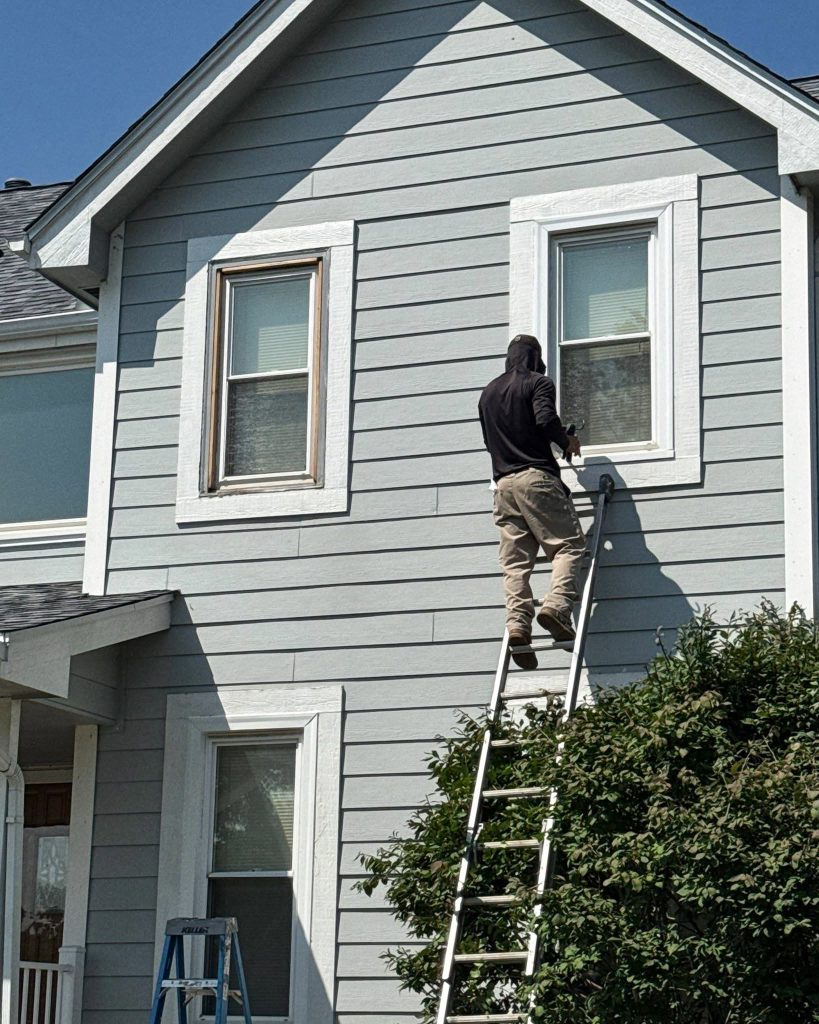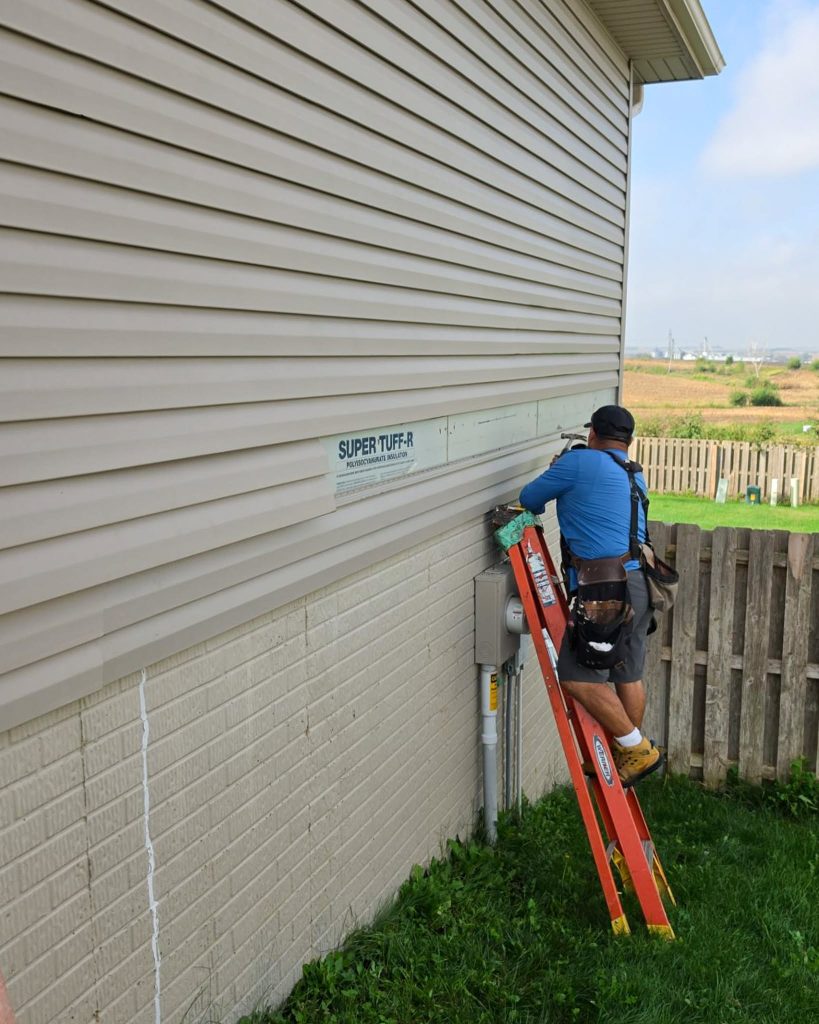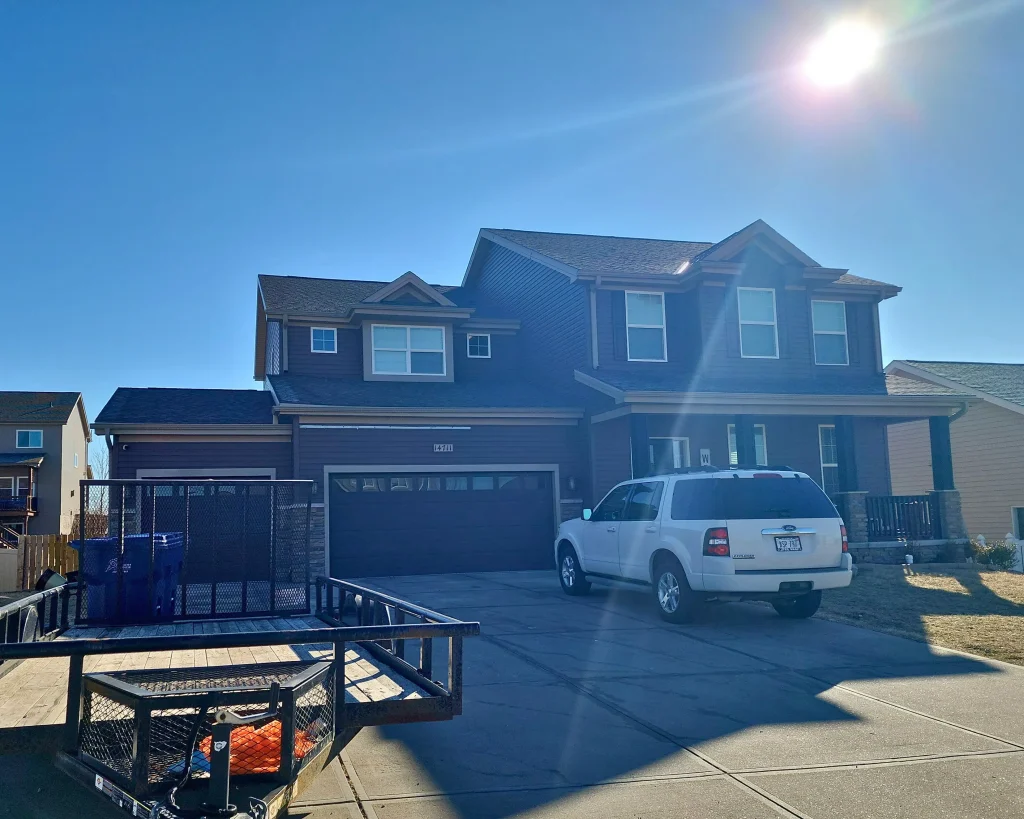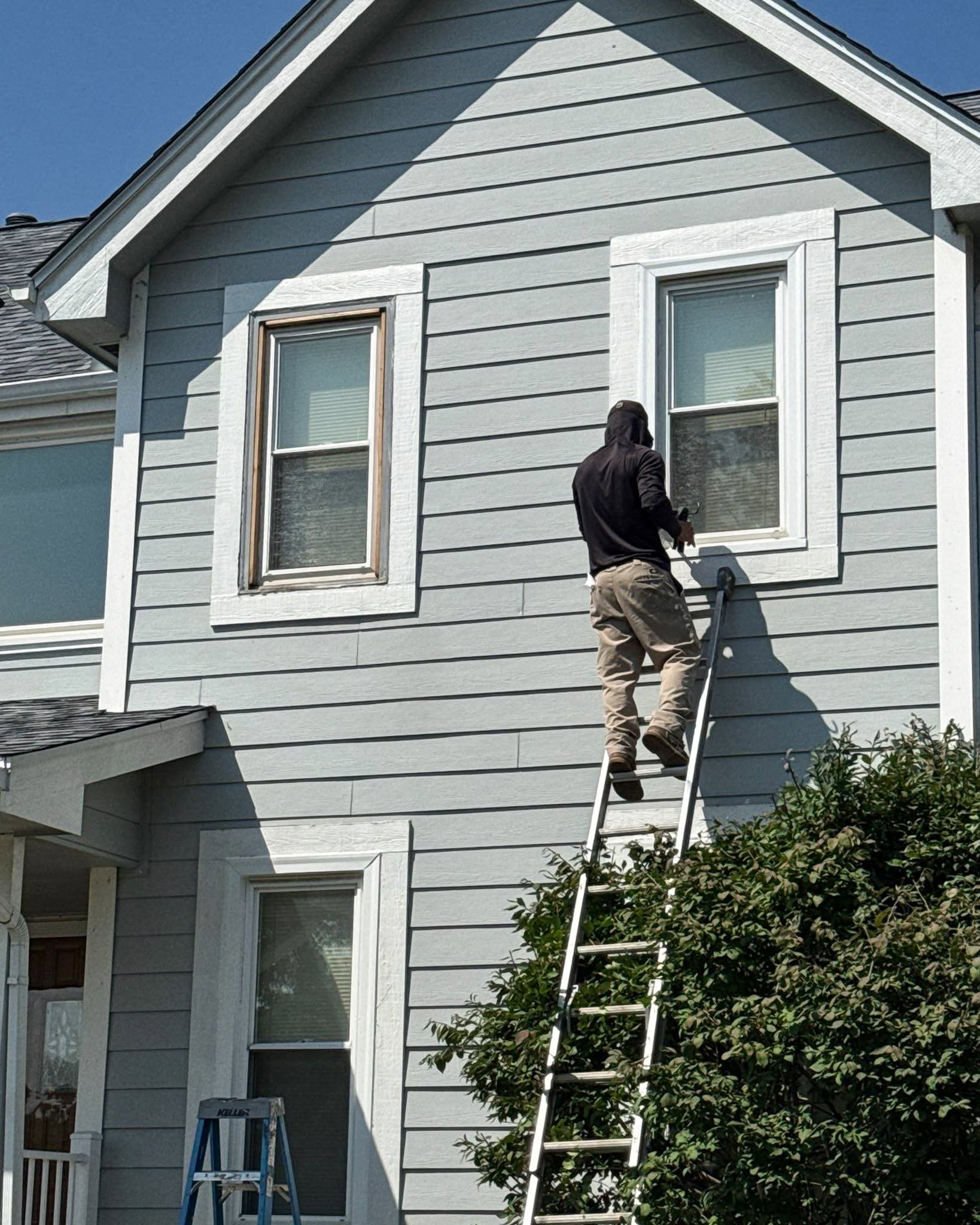
We have been putting siding on Omaha homes for three generations now, and if there is one material we install more than anything else, it is vinyl. There is a reason for that. It holds up to what Nebraska weather does to a house, it does not ask much of the homeowner once it is on, and it costs a fraction of what the alternatives run.
That said, we get a lot of the same questions when we are standing in someone's driveway giving an estimate. What does it actually cost? Will it crack in a hailstorm? Is the cheap stuff at the big box store the same as what you install? Here is how we answer those, plus a few things we wish more homeowners knew before they signed with somebody.
Why We Recommend Vinyl for Most Omaha Homes
Our crews work through everything this area throws at us. We have installed siding in February when it was five degrees and in July when the panels were almost too hot to handle. That temperature range is exactly why vinyl works here.
Vinyl expands and contracts with the weather instead of fighting it. Wood siding in this climate is a maintenance project that never really ends, because our sun and our freeze thaw cycles break down paint faster than most people expect. We have pulled plenty of rotted wood siding off homes in older Omaha neighborhoods where the paint failed a few years back and moisture got in behind it. Vinyl does not rot, it does not swell, and bugs have no interest in it.
The honest tradeoff is impact. In a bad hailstorm, vinyl can crack, especially older or thinner panels that have gotten brittle with age. That is worth knowing going in. What we tell people is that panel quality matters enormously here, and it is the one place we push back when someone wants to cut the budget.
What Vinyl Siding Actually Costs
We cannot give you a real number without seeing the house, and anyone who quotes you over the phone without looking at it is guessing. Square footage, how many corners and windows you have, the grade of panel you pick, and whether there is damage under the old siding all move the price.
What we can tell you is that it is one of the better returns in home improvement. The 2025 Cost vs. Value Report found that vinyl siding replacement recoups about 97 percent of its cost at resale. We are not aware of many exterior projects that come that close to paying for themselves, and it lines up with what we hear from homeowners who sell a few years after we side their house.
The things that move your number most:
- Panel grade. This is where we tell people not to go cheap. Thicker panels hold their shape and take an impact far better, which matters in a hail market like ours.
- Insulated vinyl. Foam backed panels cost more but feel more solid, dampen sound, and add a thermal layer. Worth considering on homes with older walls.
- Trim work. Corner posts, window surrounds, soffit, and fascia add up, especially on homes with a lot of architectural detail.
- What we find underneath. If the sheathing is soft or there is moisture damage, that has to be fixed first. We would rather find it and tell you than side over it.
Style Options You Actually Have
People are sometimes surprised how much vinyl has changed. It is not the chalky beige stuff from thirty years ago.
Traditional lap is still what most Omaha homes get, and it looks right on the majority of houses here. Dutch lap gives you a deeper shadow line if you want a little more character. Board and batten has gotten popular for gables and accent walls, especially on the modern farmhouse look that has taken off in the newer developments west of town. Shake and shingle profiles give you the cedar look on an entry or gable without any of the upkeep cedar demands.
Color has improved a lot too. The darker shades used to fade badly, and we steered people away from them for years. Current formulations hold color far better, so it is a real option now.
How Vinyl Stacks Up Against Other Materials
We install more than just vinyl, so we are not trying to sell you on one thing. Here is our honest read.
Fiber cement is tougher against impact and has a heavier look to it. If hail resistance is your top priority and the budget allows, it is a legitimate choice. It also costs quite a bit more and needs painting and caulking down the road, which people sometimes forget when they compare quotes.
Wood looks the best if you love the look of real wood, but in this climate it is the highest maintenance option by a wide margin. We do not recommend it unless someone really wants it and understands the upkeep.
Steel resists impact well but dents, and once a panel is dented there is no fixing it, only replacing it.
For the large majority of the homes we work on, vinyl lands in the right spot on cost, appearance, and how little it asks of you once it is up.
What Separates a Good Install From a Bad One
This is the part we care about most, because we get called out to fix other people's work fairly often.
Vinyl has to be hung, not nailed tight. Panels need room to move as they expand and contract. When a crew nails them down solid, you get buckling and waviness within a season or two, and it is obvious from the street. We see it constantly.
Flashing is the other one. Water gets in around windows, doors, and anywhere two surfaces meet. If flashing is missing or done wrong, the siding looks fine while moisture quietly damages what is behind it. By the time it shows up, you are looking at a much bigger repair.
When you are comparing bids, ask whoever is quoting you these things:
- Do you install house wrap or a weather resistive barrier?
- How do you flash around windows and doors?
- What panel grade and manufacturer is this quote based on?
- Does this include tearing off and hauling away the old siding?
- What does your labor warranty cover, separate from the manufacturer's?
If one bid comes in noticeably below the rest, something is being left out. Usually it is tear off, flashing detail, or panel grade. Ask.
Does Your Siding Need Replacing, or Just Repair?
Not every house we look at needs full replacement, and we will tell you when it does not. If a storm took out a few panels on one elevation and the rest of the siding is in decent shape, a repair is often the right call. We put together a guide on siding repair in Omaha that walks through how to tell the difference and what to document before you call your insurance company.
When siding is failing on multiple sides, when panels have gone brittle with age, or when we are finding moisture behind it, that is when replacement makes more financial sense than chasing repairs.
Come Take a Look at Your House
If you are thinking about vinyl siding, we will come out, walk the house with you, and give you a straight answer about what it needs. Sometimes that answer is that you have a few good years left. We would rather tell you that than sell you something you do not need yet.
We handle vinyl siding installation across the metro, including Papillion and the surrounding communities, and you can see more about our siding services here.
Reach out for a free estimate and we will get on the schedule.