Omaha's weather does not go easy on siding. Between hailstorms, high winds, and temperature swings that go from freezing to sweltering within a matter of weeks, it does not take long for cracks, warping, and loose panels to show up on the exterior of a home. If you have noticed any of these issues, you are not alone. Siding repair in Omaha is one of the most common calls we get from homeowners throughout the year.
This guide walks through the most common signs that your siding needs attention, what usually causes the damage, and how to know whether a repair will do the job or if it is time to think about replacement.
Common Signs You Need Siding Repair
Siding damage is not always obvious from the street. Here are the signs worth watching for:
- Cracks or holes. Even small cracks let moisture behind the siding, where it can damage the sheathing and framing underneath.
- Warping or buckling. Panels that look wavy or no longer lie flat against the house are usually reacting to heat, moisture, or age.
- Loose or missing panels. High winds can pop panels loose or tear them off completely, leaving gaps that expose the home to further damage.
- Fading or chalking. A dusty, faded appearance usually means the surface coating has broken down from years of UV exposure.
- Gaps at the seams or corners. Separation at the joints is an easy entry point for water and pests.
- Soft spots or discoloration. These often point to moisture that has already made its way behind the siding, which can lead to rot if it is not addressed.
If you're seeing any combination of these, it's worth having a professional take a look before the damage spreads further.
What Causes Siding Damage in Omaha
A few factors show up again and again when we inspect damaged siding in the Omaha area.
Hail and severe storms are a big one. Nebraska sees its fair share of hail each year, and even a moderate storm can crack panels, dent metal accents, or knock siding loose. Storm damage siding repair is one of the most frequent reasons homeowners reach out to us, especially in the weeks after a bad storm rolls through.
Freeze thaw cycles matter too. Omaha's temperature swings cause siding materials to expand and contract repeatedly. Over time, this stresses seams and fasteners, which is often where cracking and warping start.
Age and material wear play a role as well. Every siding material has a lifespan, and older vinyl in particular can become brittle, making it more prone to cracking on impact.
Moisture intrusion is the last major factor. Poor flashing, clogged gutters, or gaps in the original installation can let water behind the siding, where it causes damage that is not always visible from outside.
Repair or Replace: How to Decide
Not every siding problem requires a full replacement. Here is a general rule of thumb.
Repair usually makes sense when the damage is limited to a small section or a handful of panels, the rest of the siding is in good shape and reasonably current in style and color, and the issue was caused by a single event, like storm damage, rather than widespread age related wear.
Replacement is usually the better call when damage is spread across multiple sides of the home, the siding is nearing or past its expected lifespan, you're finding moisture damage or soft spots underneath the surface, or matching the existing color or profile is no longer possible because the product has been discontinued.
If your home was affected by a hailstorm or major wind event, it's also worth having an inspection done before filing an insurance claim. A documented inspection can make the claims process smoother and help ensure nothing gets missed.
A Note on Vinyl Siding Repair
Vinyl is one of the most common siding materials in the Omaha area, and for good reason. It holds up well against Nebraska's weather, but vinyl siding repair does come with a few quirks worth knowing about. Colors can fade unevenly over time, which makes matching a repaired section to older panels tricky. Certain profiles also get discontinued by manufacturers, which is one more reason it helps to have an inspection sooner rather than later, before a small problem turns into a bigger one. Today's polymeric siding materials are engineered to resist impact, moisture, and temperature swings, which is part of why replacement panels typically perform well even in Nebraska's more extreme weather.
Why Professional Siding Repair Matters
Siding does more than dress up the outside of your home. It is part of the barrier that protects everything underneath it, including the sheathing, insulation, and framing. A repair that is not done correctly, whether it is a mismatched panel or a missed piece of flashing, can leave the same vulnerability in place that caused the original damage.
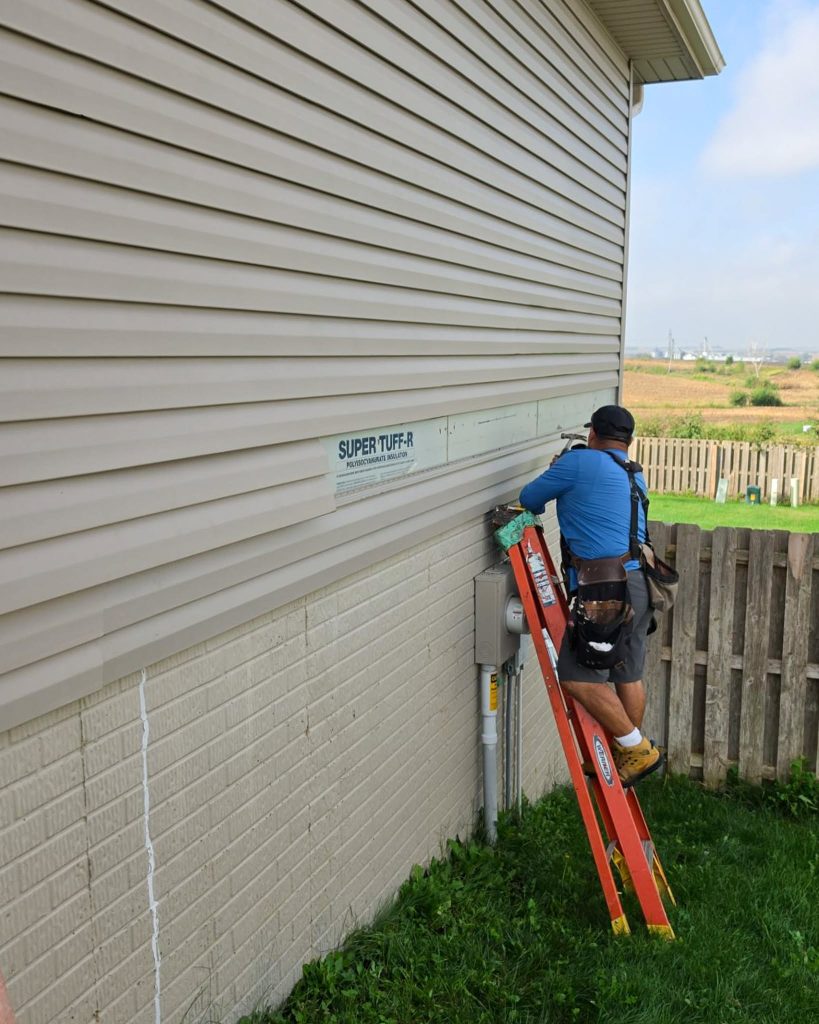
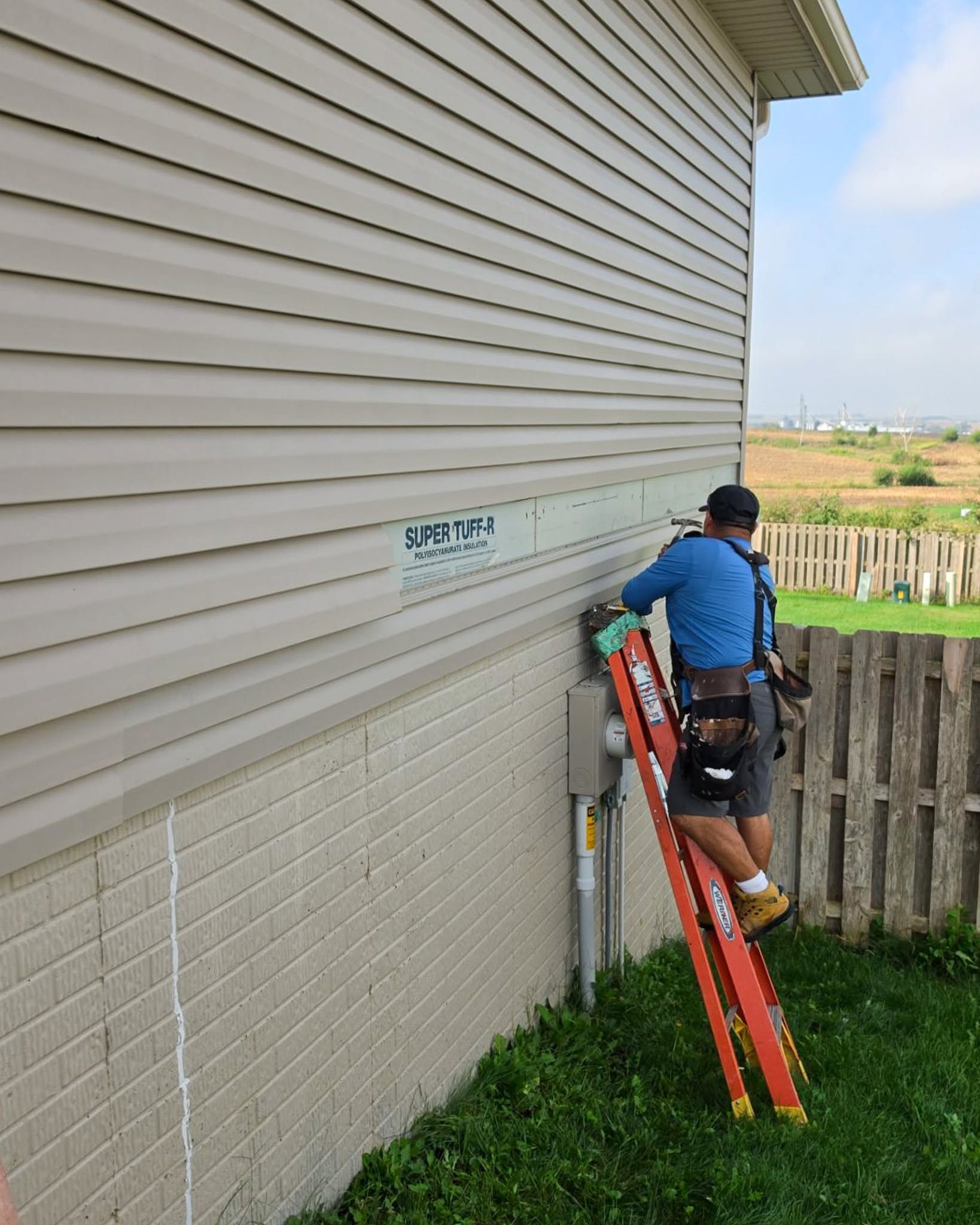
A professional repair also means proper flashing and moisture barriers are restored rather than just patched over, panels are matched as closely as possible in color, style, and profile, and the underlying structure gets inspected in the process, catching problems before they grow.
Get Your Siding Inspected in Omaha
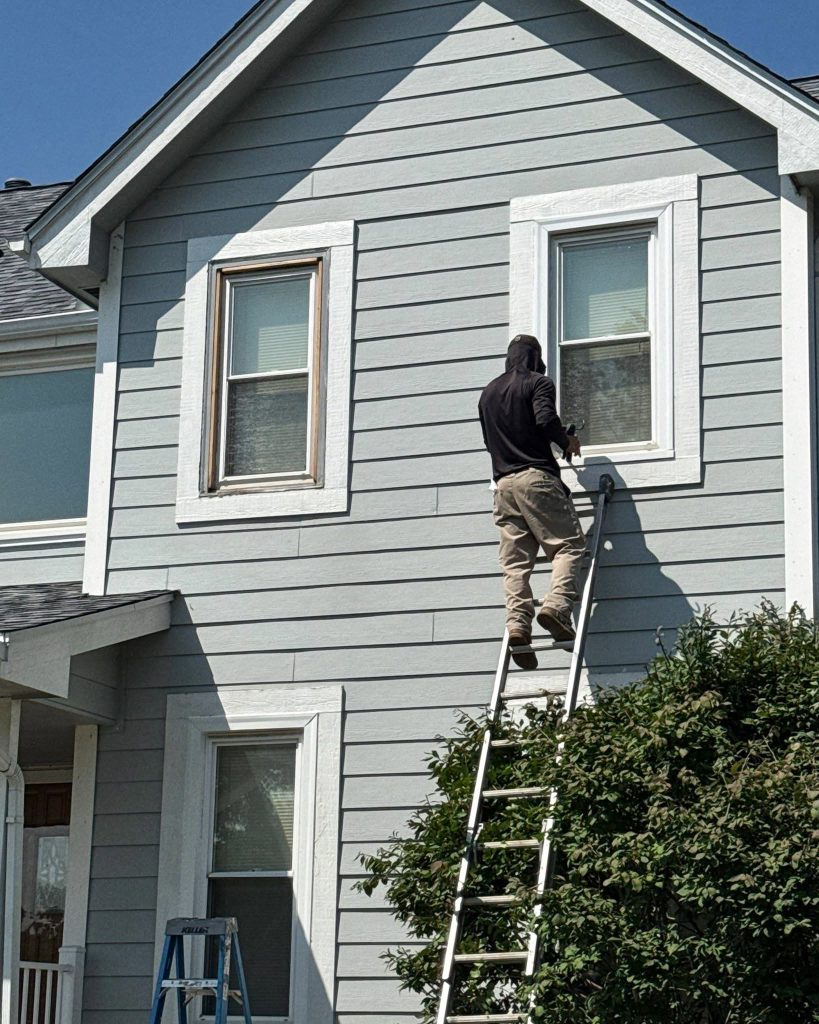
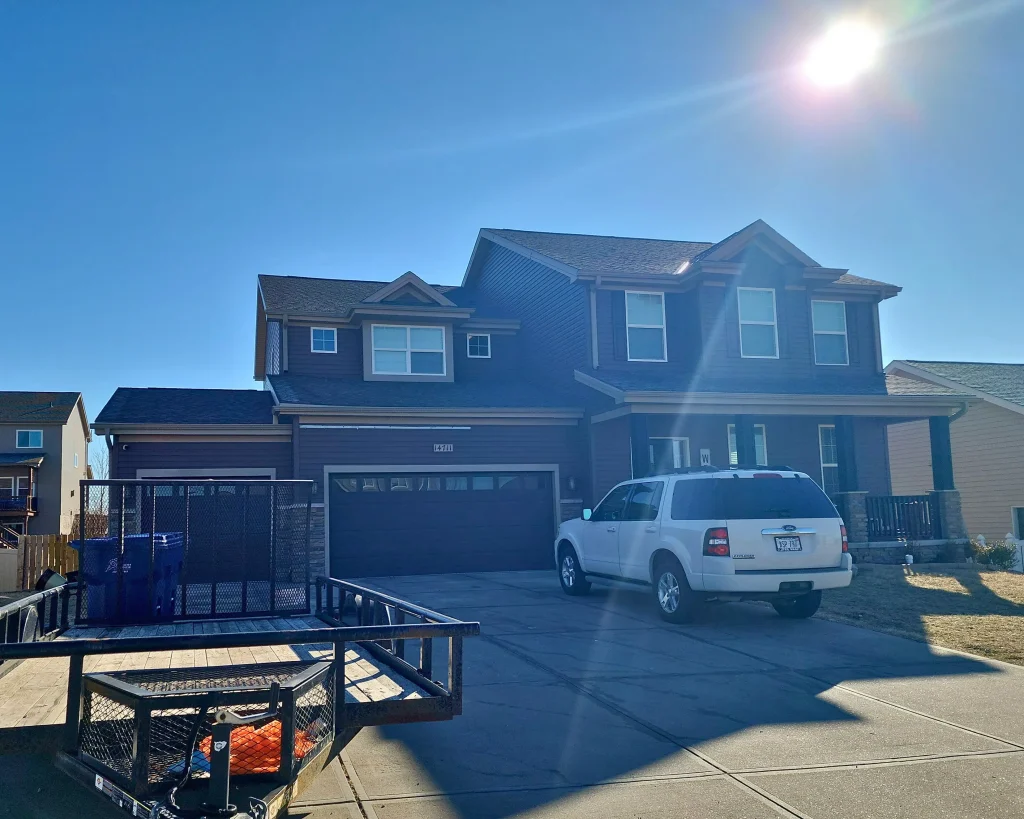
If your home is showing any of the signs above, it's worth getting ahead of the problem rather than waiting for it to get worse. You can see an example of a recent siding repair and painting project we completed in Omaha to get a sense of what the process looks like.
Whether you need a quick repair or want a second opinion on whether replacement makes more sense, our siding services team is ready to help.
Ready to get started? Schedule a free inspection and we'll help you figure out the right next step for your home.